What’s in a Brand Book — And Why Every Growing Business in India Needs One Before They Scale
A brand book is not a logo file. It’s the single document that ensures your business looks, sounds, and feels consistent — everywhere, to everyone, forever. Here’s what’s in it and why it matters more as you grow.
What Is a Brand Book and Why Does It Exist?
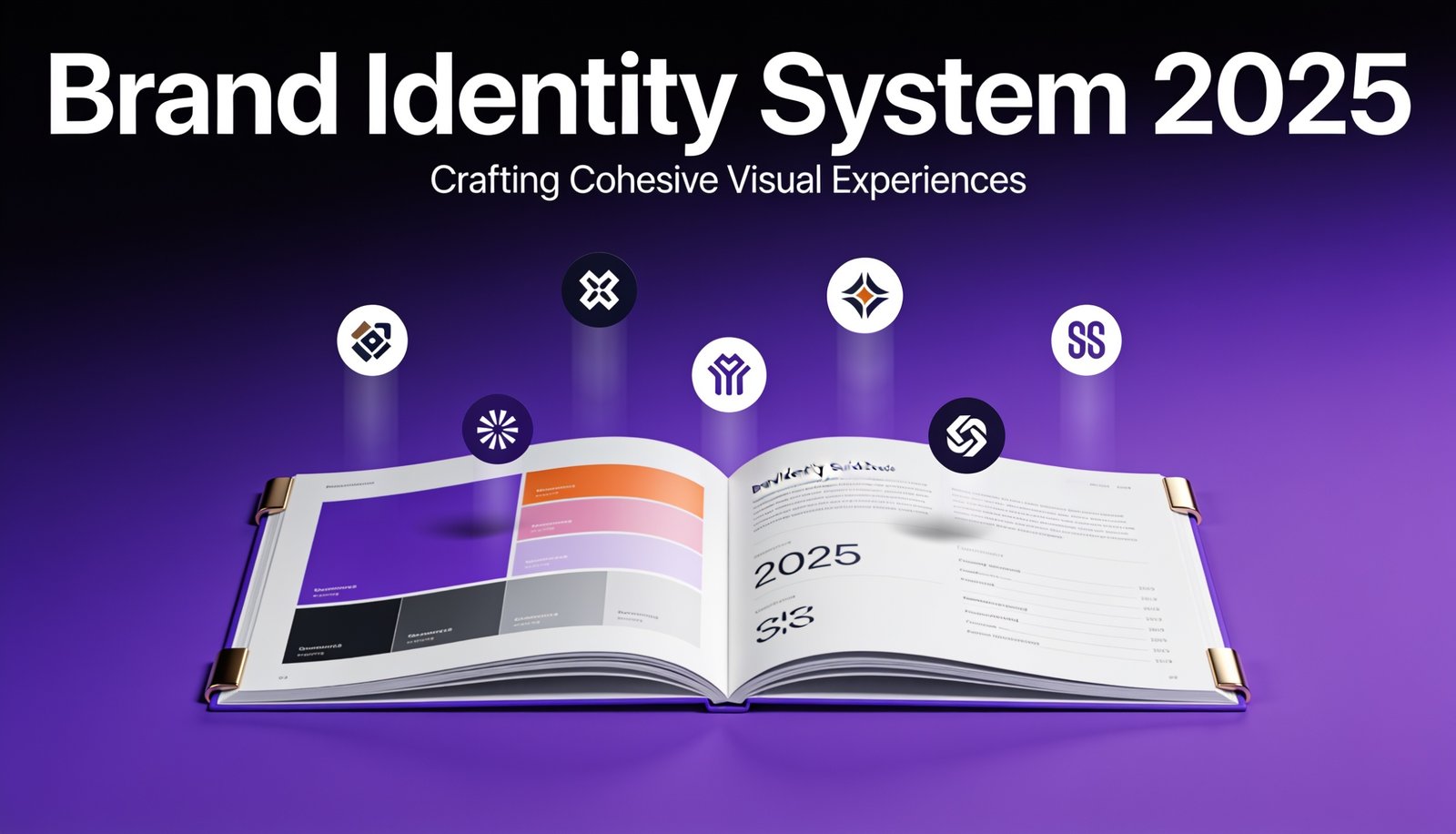
A brand book — also called a brand identity guide or brand style guide — is a document that defines exactly how your brand should look, sound, and be represented across every touchpoint. It answers questions like: which exact shades of blue do we use? Which font goes on headings versus body text? What tone do we write copy in? What does our logo look like on a dark background?
Without a brand book, every designer, every agency, every employee, and every vendor you work with makes their own decisions about how your brand looks. The result is a fragmented, inconsistent brand that looks different on Instagram versus your website versus your business cards versus your invoices. That inconsistency is invisible to you when you’re close to it — but immediately visible to your clients and customers.
A brand book solves this permanently. Once created, it becomes the single source of truth for your brand — handed to every designer, agency, and employee who touches your visual communication.
What’s Actually Inside a Professional Brand Book
Brand Story & Values
Why the company exists, what it stands for, and what it’s building toward. Sets the emotional context that all visual decisions spring from.
Logo System
Primary logo, alternate logo (horizontal, stacked), icon/mark. Clearspace rules. Minimum size. What you cannot do with the logo. Approved backgrounds.
Colour Palette
Primary colours (HEX, RGB, CMYK, Pantone). Secondary palette. Neutral palette. Usage ratios. What colours can sit next to each other. Accessibility notes.
Typography System
Primary heading font. Body font. Display/accent font. Size scales for headings H1–H6. Line height and letter spacing standards. What to use when your primary font isn’t available.
Photography & Visual Style
The mood, style, and subject matter of brand photography. What to include and avoid. Colour grading approach. Illustration style if applicable.
Brand Voice & Tone
How the brand writes. Formal or casual? Empathetic or authoritative? First person or third? Sample sentences showing the voice. Words and phrases to avoid.
Iconography & Graphic Elements
Icon style (line, filled, rounded?). Graphic patterns, textures, or shapes unique to the brand. How decorative elements are used consistently.
Application Examples
Business card, letterhead, social media post, email signature, packaging, signage — showing the brand applied correctly across every format.
What Happens Without a Brand Book vs With One
❌ Without a Brand Book
Your website uses one shade of blue. Your visiting card uses a slightly different one. Your Instagram uses a third. Your new employee made a proposal deck with Comic Sans because nobody told them otherwise. The agency you hired used your logo on a dark background and it became invisible. A vendor printed your standee with the low-resolution logo because they couldn’t find the vector file.
Every inconsistency quietly erodes trust. Individually they’re small. Cumulatively, over months and years, they communicate a disorganised brand.
✅ With a Brand Book
Every designer opens the brand book before starting any project. Colours are exact. Fonts are correct. Logo has clearspace. The proposal deck looks like the website which looks like the Instagram which looks like the visiting card. A new employee, a new agency, or a new vendor — anyone can pick up the brand book and produce on-brand work without a briefing call.
Your brand becomes an asset that compounds. Every piece of communication builds the same recognisable impression.
When Do You Need a Brand Book?
You need a brand book the moment your brand is being created or managed by more than one person. That means: when you hire your first employee who creates any kind of communication. When you engage your first design agency or freelancer. When you start posting consistently on social media. When you pitch to investors or enterprise clients who will scrutinise everything.
Most businesses wait until they’re “big enough” to need a brand book. The businesses that scale fastest are the ones that build the brand infrastructure before it’s strictly necessary — because by the time you need it urgently, you’ve already accumulated years of inconsistency to undo.