
AI-Powered Demand Forecasting: How Stock Software Is Predicting Reorders Before You Run Out
The gap between guessing what to reorder and actually knowing is closing fast — here’s what changed.
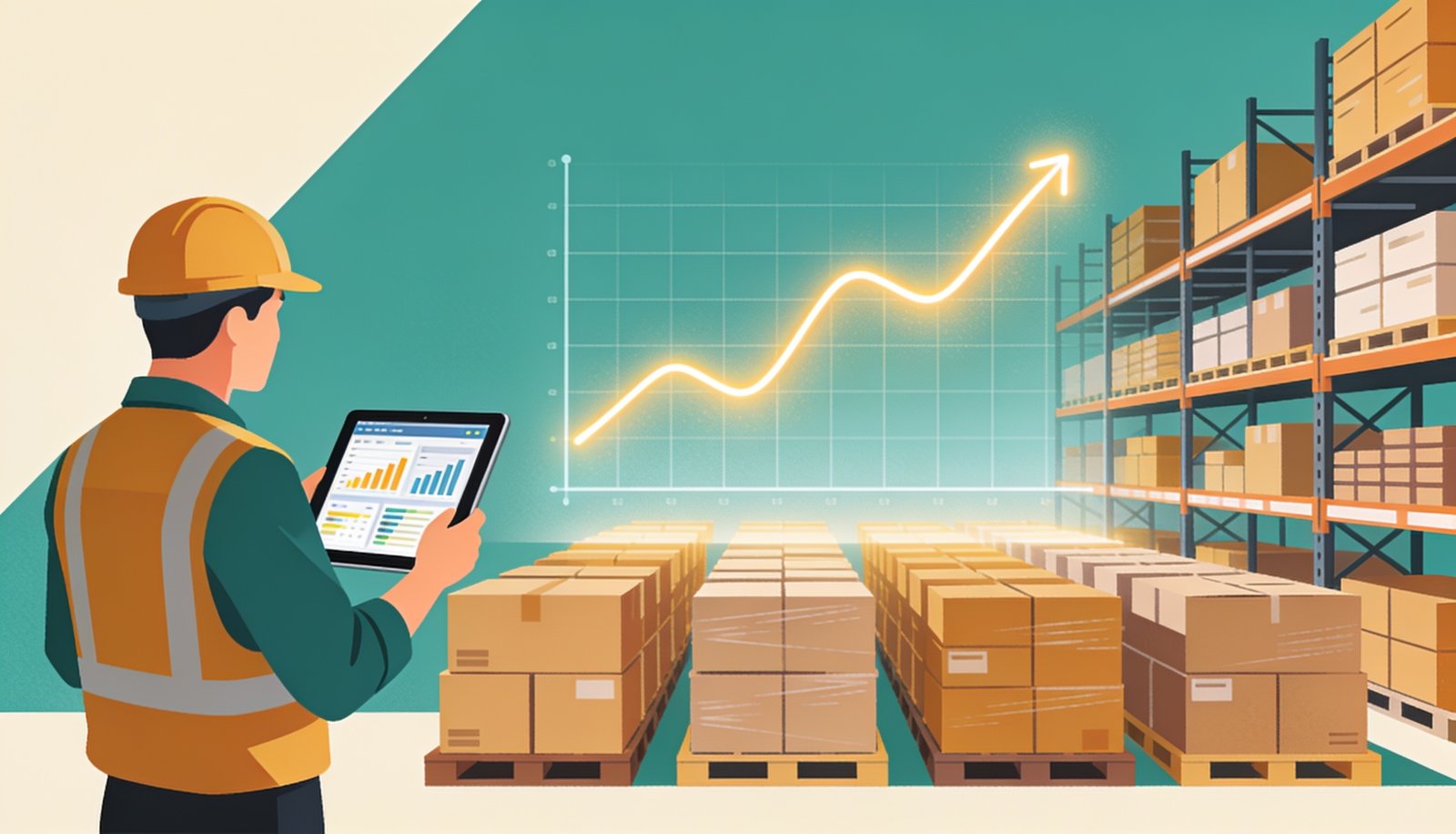
Every warehouse manager knows the two-sided frustration of manual reordering: too much stock sitting unsold and tying up cash, or too little stock and a shelf that’s embarrassingly empty right when demand picks up. AI demand forecasting is the part of modern stock software that’s finally closing that gap, and 2026 is the year it moved from an experimental feature into something businesses well below enterprise scale are actually using.
The Old Way: Reordering by Gut Feeling and Excel Averages
Traditional reordering usually means looking at last month’s sales, applying a rough average, and hoping nothing unusual happens — no sudden demand spike, no seasonal shift, no supplier delay. Traditional forecasting methods carry an error rate of roughly 35-45%, which in practice means a lot of both overstock and stockouts, quietly eating into margins every month without anyone tracking the true cost.
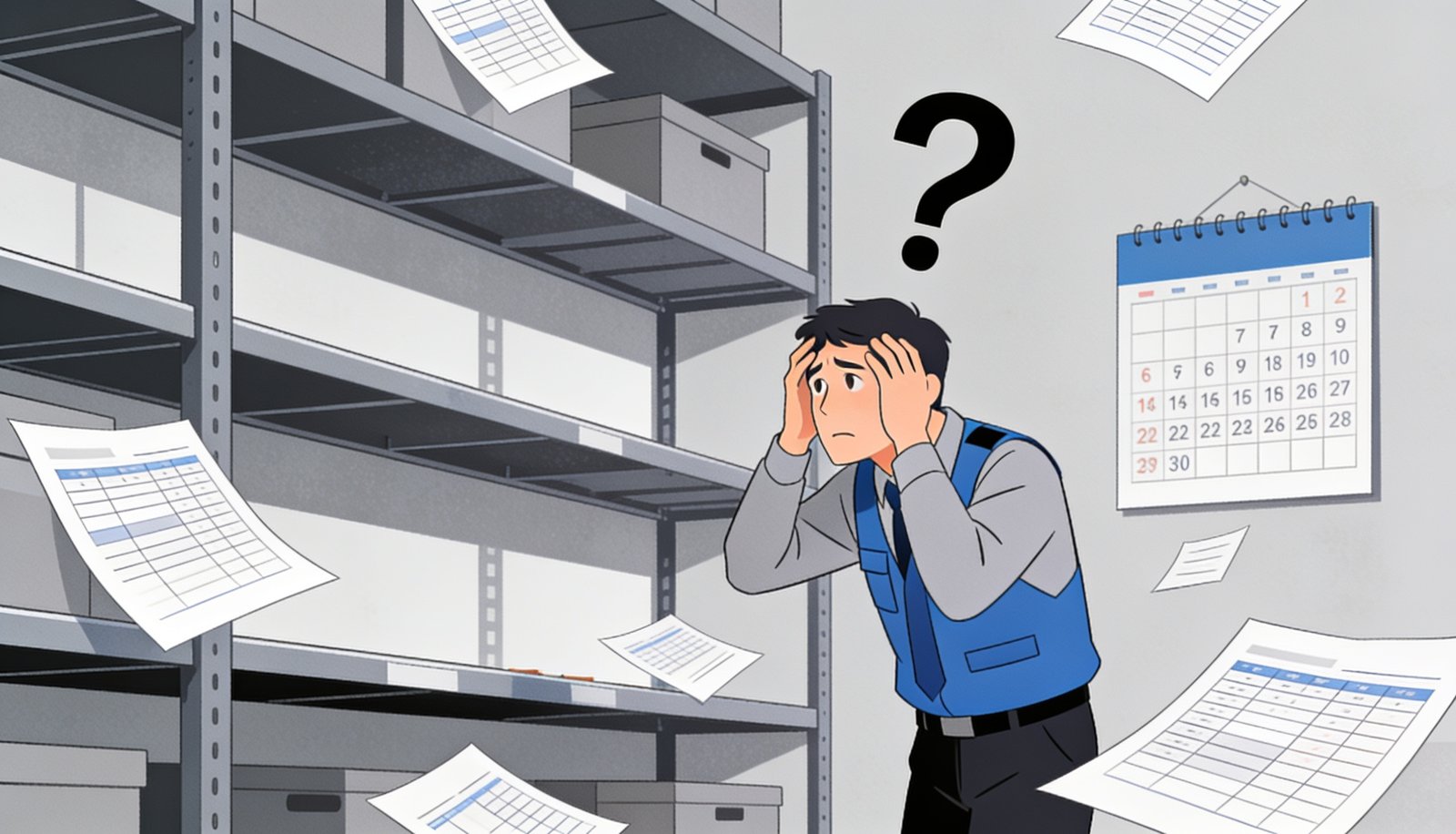
Manual averages, spreadsheets, and guesswork. Error rate: 35-45%.
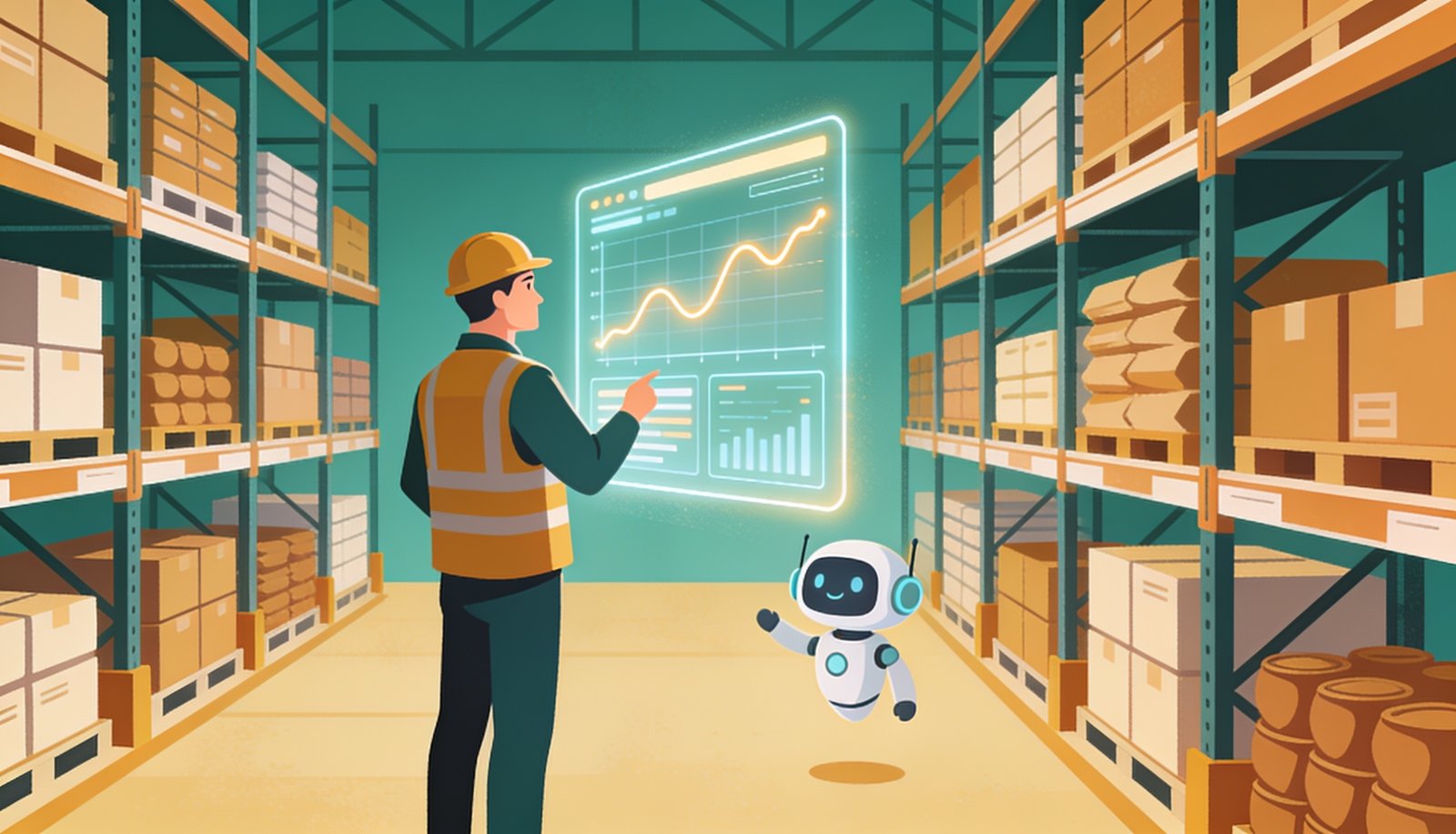
Continuous, data-driven predictions. Error rate: 8-15%.
What Changed: AI Demand Forecasting Explained
AI demand forecasting doesn’t just average last month’s sales — it continuously reads patterns across historical sales, seasonal trends, pricing changes, and even external signals like local events or competitor activity, turning demand forecasting into an ongoing decision-making process instead of a monthly guess. That shift alone is what’s pushing forecast accuracy up so significantly compared to traditional methods.
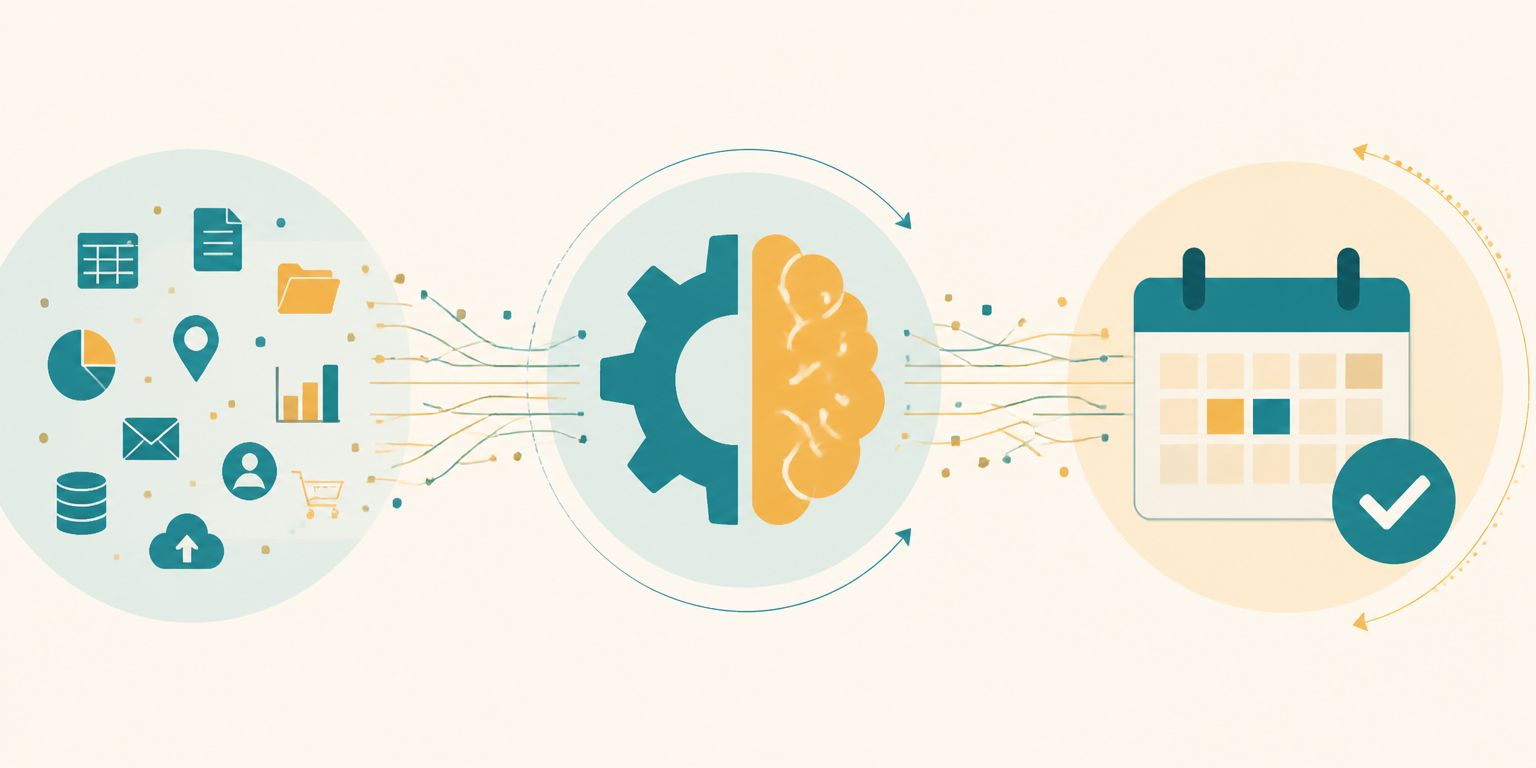
Data flows in continuously, gets analysed for patterns automatically, and translates into reorder recommendations — without someone manually pulling a report every few weeks.
The Numbers Behind the Shift
What This Looks Like for a Real Warehouse
In practice, this means the system flags a reorder point before a product actually runs out, adjusts that recommendation automatically if a product suddenly starts selling faster than usual, and surfaces this as a simple alert rather than a report someone has to remember to check. The manager still makes the final call, but the guesswork that used to eat up hours every week largely disappears.
Is This Only for Large Companies?
Not anymore. What used to require a data science team and custom infrastructure is now available as a feature built directly into modern stock and inventory software, which is exactly how we’re rolling it into the systems we build for manufacturers, distributors and retailers who never had access to this kind of forecasting before.
A Quick Example: Seasonal Demand Done Right
Take a business selling festive-season products — demand might be flat for ten months and then spike sharply for six weeks. A traditional monthly average completely misses this, either understocking right before the spike or overstocking long after it’s passed. AI forecasting, by contrast, learns the shape of that seasonal curve from prior years and starts adjusting reorder recommendations weeks ahead of the spike, rather than reacting to it after sales have already been lost to an empty shelf.
Where AI Demand Forecasting Fits Into a Bigger System
Forecasting works best when it’s connected to the rest of your stock software rather than running as a separate tool — feeding directly into purchase orders, supplier lead times, and multi-branch stock transfers, so a predicted shortfall at one location can be filled from surplus at another before it ever becomes a stockout. Treating forecasting as one module inside a connected system, rather than a standalone add-on, is what actually turns the prediction into a useful action.
What to Ask Before Trusting Any “AI Forecasting” Claim
Not every tool marketed as “AI-powered” is genuinely learning from your specific sales patterns — some simply apply a slightly smarter version of the same fixed averaging traditional tools have always used. Worth asking directly: does it retrain on your actual sales data over time, does it account for seasonality specific to your business, and can it explain why it’s recommending a particular reorder quantity. If the answer to any of these is vague, it’s worth a closer look before relying on it for real purchasing decisions.
How Digital Darzee Builds This In
We’re integrating demand forecasting directly into the stock software we build, tuned to each client’s actual sales history rather than a generic model, so the reorder recommendations reflect how that specific business actually sells, not an industry-wide average.
Frequently Asked Questions
Looking for help with this in practice? Explore our inventory & stock management software for Ludhiana businesses.
Frequently Asked Questions
How accurate is AI demand forecasting compared to manual reordering?
AI forecasting analyzes historical sales patterns and seasonality to flag reorder points before stockouts happen, typically reducing both overstock and stockout incidents versus manual guesswork.
Do I need a lot of historical data for AI forecasting to work?
More data improves accuracy, but even 6-12 months of sales history is usually enough for a basic forecasting model to add value.
Is AI demand forecasting only for large retailers?
No, it’s increasingly built into affordable custom stock software for small and mid-sized businesses, not just enterprise retailers.
Still reordering by gut feeling?
We’ll show you what demand forecasting would look like for your actual sales data.
Usually replies within a few hours