
Zig, Gleam & Mojo: The Programming Languages Quietly Gaining Ground in 2026
None of them are mainstream yet — but developers who’ve tried them are more enthusiastic about these three than almost anything else in the ecosystem.
Most programming language hype cycles are loud and short-lived. This one is different: three smaller, less mainstream languages — Zig, Gleam, and Mojo — are steadily climbing developer rankings in 2026, not because of marketing, but because developers who actually use them report unusually high satisfaction. Here’s what each one is solving, and whether any of it matters for your business.
Developer Admiration Leaderboard
Gleam
A small, typed language built on the BEAM (Erlang’s runtime), praised for clean design over hype.
Zig
A modern, safer alternative to C for systems programming, without Rust’s steep learning curve.
Mojo
Python-like syntax aimed at systems-level performance for AI workloads.
Approximate developer admiration ratings reported across 2026 developer surveys — the percentage of developers who’ve used the language and want to keep using it.
Why Zig Is Winning Over C Developers
Zig has been climbing steadily in rankings like RedMonk’s 2026 language report, with stronger signal on GitHub than on Stack Overflow — a sign of active project adoption rather than just curiosity. Its appeal is straightforward: developers who work close to the hardware want more safety than C offers, but many find Rust’s learning curve too steep for their team to adopt quickly. Zig sits in between, offering meaningful safety improvements without demanding a complete mental model shift.
Why Gleam Has the Highest Admiration Score
Gleam is deliberately small in scope, which is part of its appeal — it’s a statically typed language built on the BEAM virtual machine (the same runtime behind Erlang and Elixir), aimed at developers who want the BEAM’s reliability and concurrency model with the safety net of static types. It isn’t trying to be mainstream, and that focus seems to be exactly why developers who do use it rate it so highly.
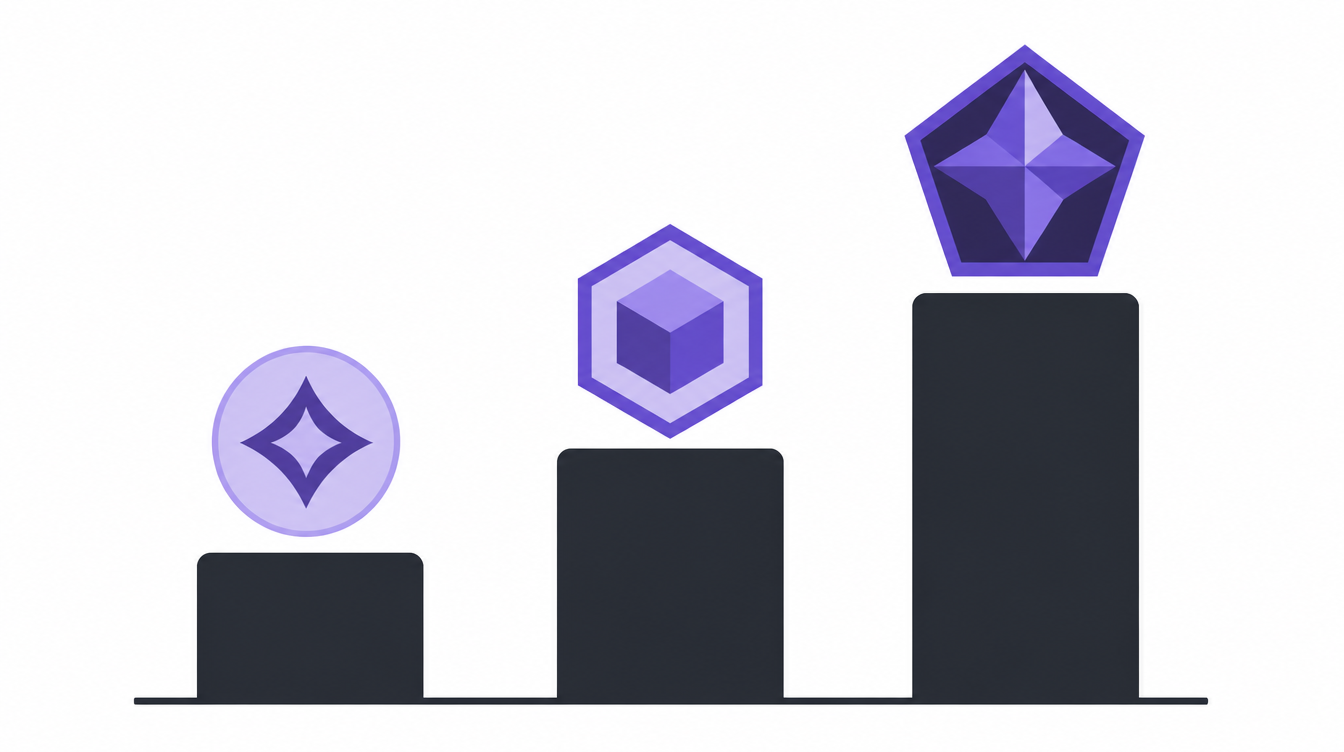
Admiration ratings measure how many developers who’ve tried a language want to keep using it — a different (and arguably more meaningful) signal than raw popularity.
Why Mojo Is Attracting AI Teams Specifically
Mojo’s pitch is narrower but strategically timed: Python-like syntax with the performance characteristics needed for AI and machine learning workloads. Its actual usage share is still small — under half a percent of developers in recent surveys — but as AI compute costs keep climbing, more teams are expected to explore Mojo (or similar tools like Julia) specifically to reduce the cost of running large models, rather than for general-purpose use.
Where Each One Actually Fits
Zig
Systems programming, embedded devices, performance-critical infrastructure code.
Gleam
Concurrent, fault-tolerant backend services — chat systems, real-time data pipelines.
Mojo
AI/ML workloads where Python’s ergonomics are wanted but compute cost is a concern.
Should Your Business Care?
For most business websites and applications, no — these languages solve problems most business software doesn’t have yet. But if your company runs AI workloads at meaningful scale, or maintains performance-critical infrastructure, it’s worth asking your development team whether one of these is worth evaluating for that specific piece, rather than assuming your existing stack is still the only option.
How Digital Darzee Approaches This
We keep an eye on languages like these not to chase trends, but because a narrow, well-chosen tool sometimes solves a specific performance or reliability problem far better than a general-purpose stack — and knowing when that trade-off is worth making is part of building software that holds up over time.
The Bigger Pattern Behind All Three
What connects Zig, Gleam, and Mojo isn’t a shared syntax or purpose — it’s a shared reaction to frustration with existing tools. Zig exists because some C and C++ developers found Rust’s safety guarantees valuable but its learning curve too steep for their teams to adopt quickly. Gleam exists because some Erlang and Elixir developers wanted the BEAM’s reliability with compile-time type checking rather than runtime surprises. Mojo exists because AI teams found Python’s ergonomics ideal for prototyping but its raw performance a real bottleneck at scale. Each language is a deliberate, narrow fix for a specific pain point that a mainstream tool wasn’t solving well enough.
What This Means for Hiring and Long-Term Support
One practical consideration if any of this becomes relevant to your business: the developer pool for all three languages remains small compared to Python, JavaScript, or PHP, which affects both hiring cost and how easily you could switch development partners later. This is exactly why these tools make sense for a specific, well-defined piece of a system rather than as the foundation for an entire business application — you get the performance or reliability benefit where it matters, without betting the whole project on a niche skill set.
Frequently Asked Questions
Looking for help with this in practice? Explore our custom software development services in Ludhiana.
Frequently Asked Questions
Are Zig, Gleam, and Mojo ready for production use?
They’re gaining traction but remain niche compared to established languages — most businesses should wait for wider ecosystem maturity before betting production systems on them.
Which of these three languages is growing fastest?
Gleam has the highest developer admiration rating among the three, according to recent surveys, followed by Zig and then Mojo.
Why are new programming languages emerging now?
Each targets specific gaps — Zig for low-level performance without C’s pitfalls, Gleam for type-safe concurrent systems, and Mojo for AI/ML workloads needing Python-like syntax with speed.
Curious if a specialized tool could speed up your project?
We evaluate the right technology for your specific performance and budget needs, not just the popular default.
Usually replies within a few hours