

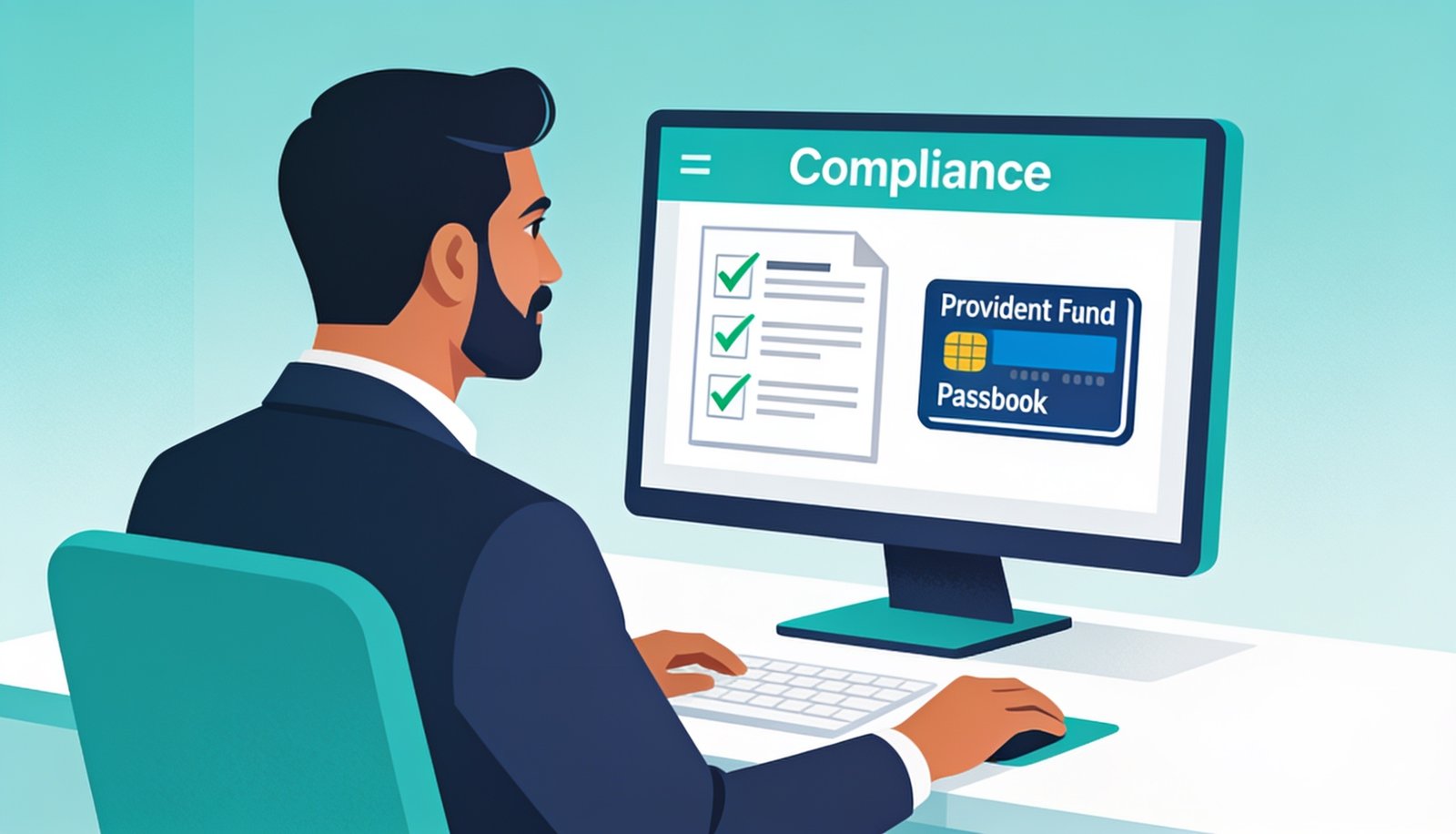
India’s New EPF Scheme 2026: What Every Employer Must Do Differently Starting Now
A quiet but sweeping rollout took effect July 1 — and most small businesses haven’t updated their payroll process for it yet.
The EPF Scheme 2026 formally took effect on July 1, 2026, replacing the previous framework with a stronger digital-first structure for provident fund compliance. Alongside it, the EPFO also rolled out the EPS 2026 pension scheme and EDLI 2026 insurance scheme — together forming the next phase of India’s ongoing labour code implementation. If your business runs payroll manually or through an outdated system, this update is worth acting on now rather than waiting for a compliance notice.
What the EPF Scheme 2026 Actually Requires
Beyond initial registration, employers must now electronically report new joiners and employee exits, file monthly contribution details digitally, disclose ownership changes and authorized signatories, and maintain employment records in digital form wherever applicable. Employers are also expected to facilitate UAN generation for employees and provide records electronically during any inspection — a meaningful shift from the paper-and-registrar-visit compliance style many smaller businesses have relied on.
The Compliance Checklist
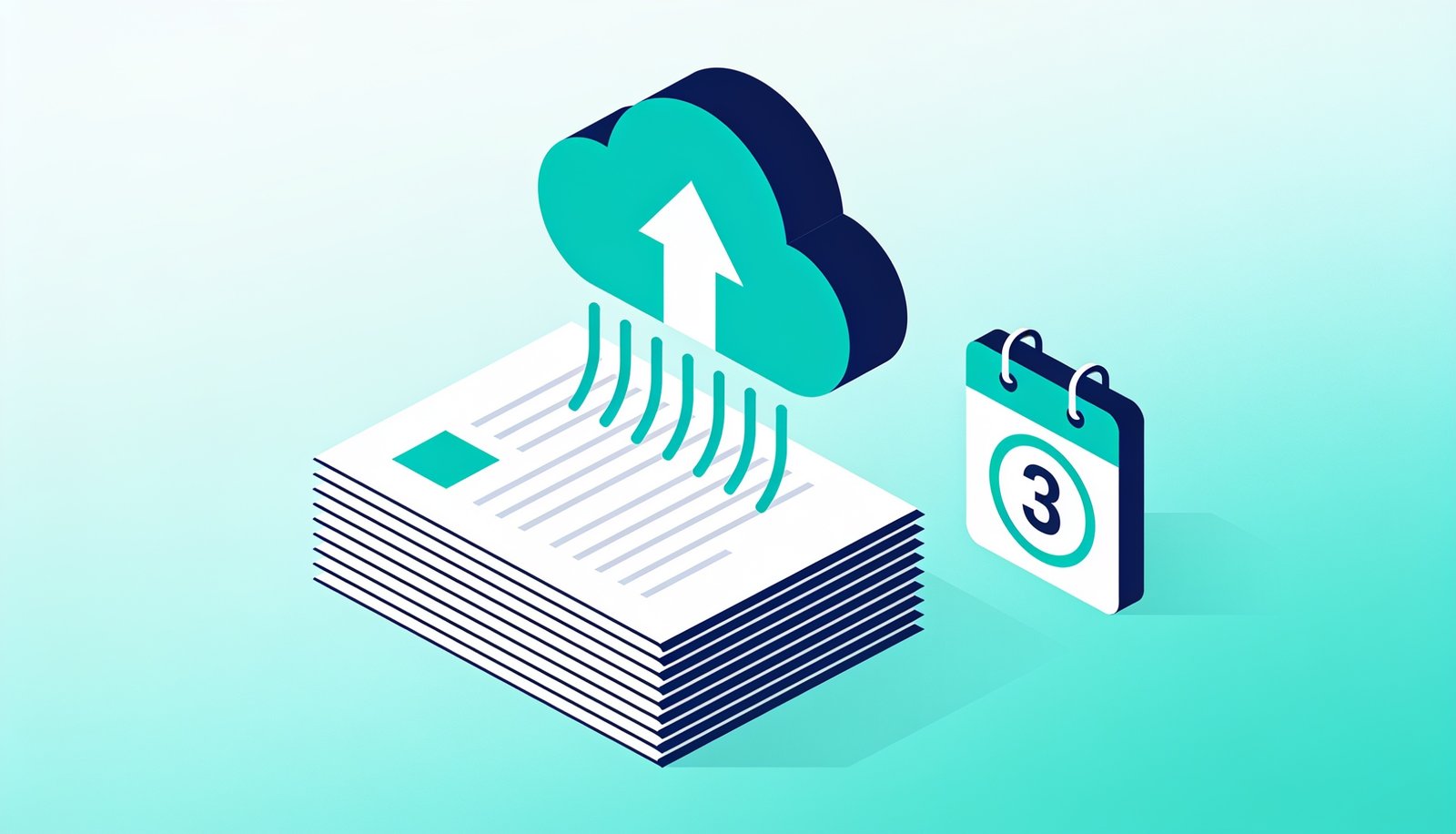
Prescribed returns must now be submitted within 15 days, with payments made electronically — a tight window that manual, spreadsheet-based payroll processes often struggle to hit consistently.
Why the EPF Scheme 2026 Matters Even for Small Employers
It’s tempting to assume rules like this mainly affect large companies, but the this new scheme applies broadly, and ESI coverage has also expanded to all geographic areas of India under the new labour codes. The wage ceiling for EPF contributions remains at ₹15,000 a month, frozen since 2014, meaning the pool of employees this affects hasn’t shrunk — if anything, digital reporting requirements now apply to a wider and more consistent base of employers than before.
We covered the broader 50% wage rule shift in our earlier piece on the new labour codes and payroll software, and this EPF rollout is the next concrete piece of that same transition landing in employers’ laps.
What This Means for Your Payroll Process
If your current payroll setup involves manually compiling contribution details each month, this is a natural point to move to software that handles UAN generation, digital filing, and record-keeping automatically. The ₹500/day penalty for delays makes manual processes considerably riskier than they used to be, and the cost of a proper payroll system is now easier to justify against that risk.
How This Compares to the Old System
Before this rollout, EPF compliance for many smaller employers was a mostly manual affair — physical registers, periodic visits to the regional PF office, and contribution filings handled in batches rather than continuously. The new structure pushes everything toward real-time, electronic reporting: joiners and exits get reported as they happen rather than reconciled later, and inspection requests can be answered from a digital record instead of a physical file room. For employers who’ve been operating the old way for years, the learning curve is real, but the underlying logic — report accurately, report promptly, keep digital records — is more straightforward than it might first appear.
A Realistic Timeline for Getting Compliant
Employers who haven’t yet adjusted their process don’t need to overhaul everything overnight, but waiting until a filing deadline is missed is the expensive way to learn the new requirements. A practical approach: audit your current employee master data for accuracy this month, confirm your payroll or HR system can generate the digital records now expected, and run one full compliance cycle end-to-end before assuming everything is in order. Businesses that treat this as a one-time IT project tend to fare better than those trying to patch it together deadline by deadline.
How Digital Darzee Approaches This
We build custom payroll and HR software that keeps EPF, ESI, and TDS filings organized and deadline-ready, so our clients aren’t scrambling each month to assemble compliance data manually. For businesses in Ludhiana and across Punjab still running payroll through spreadsheets, this update is a good prompt to have that conversation before the next filing cycle. You can also read the official rules directly from the EPFO’s official portal for the most current guidance.
Frequently Asked Questions
Looking for help with this in practice? Explore our HR & payroll software for Ludhiana businesses.
Frequently Asked Questions
What is the penalty for late EPF filing under the new scheme?
Employers face a ₹500-per-day late fee for non-compliance under the EPF Scheme 2026 rules, making timely filing important for payroll teams.
Does the new EPF scheme apply to all employers?
It applies to employers covered under the EPF Act, though thresholds and specific requirements can vary — check with your payroll provider for your exact obligations.
How does payroll software help with EPF compliance?
Good payroll software automates PF contribution calculations and filing deadlines, reducing the manual tracking that leads to missed or late submissions.
Not sure if your payroll process meets the EPF Scheme 2026 requirements?
We’ll review your current setup and recommend what needs to change.
Usually replies within a few hours