

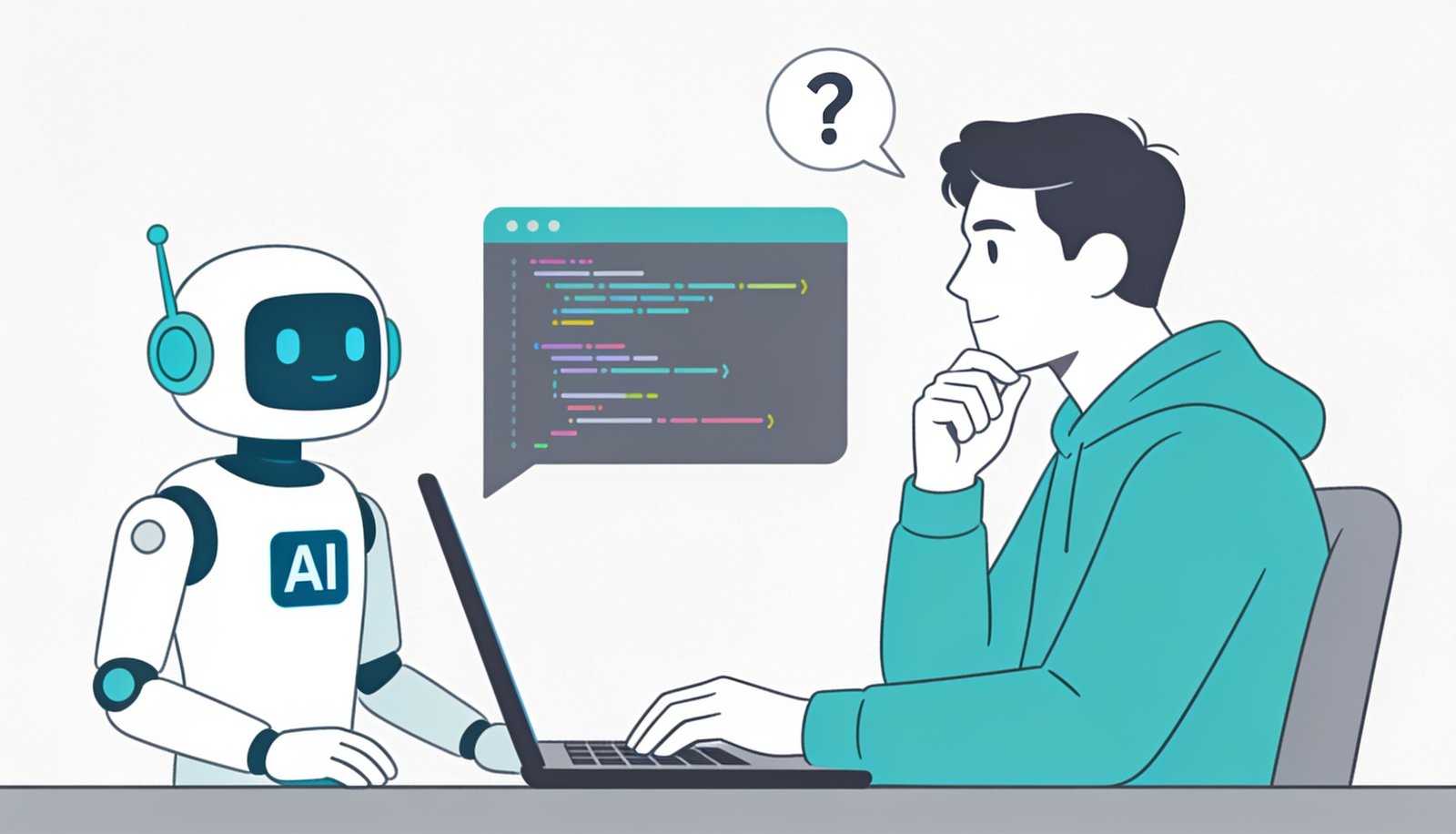
AI coding assistants have gone from optional extras to daily infrastructure for most software teams. New industry data for 2026 shows 84% of professional developers now use an AI coding assistant in some form, with 51% relying on one every single day. But the same data reveals a growing contradiction: as adoption climbs, developer trust in what these tools produce is quietly falling.
For businesses paying developers or development agencies by the hour, this shift matters more than it looks. Faster code generation is only valuable if someone is still checking the work before it reaches production.
Why AI Coding Assistants Are Everywhere Now
The pull is speed. Teams report that routine tasks like boilerplate code, test scaffolding, and first-draft functions that once took the better part of a day now come back in a couple of hours. Pull request turnaround time is the clearest evidence of this shift.
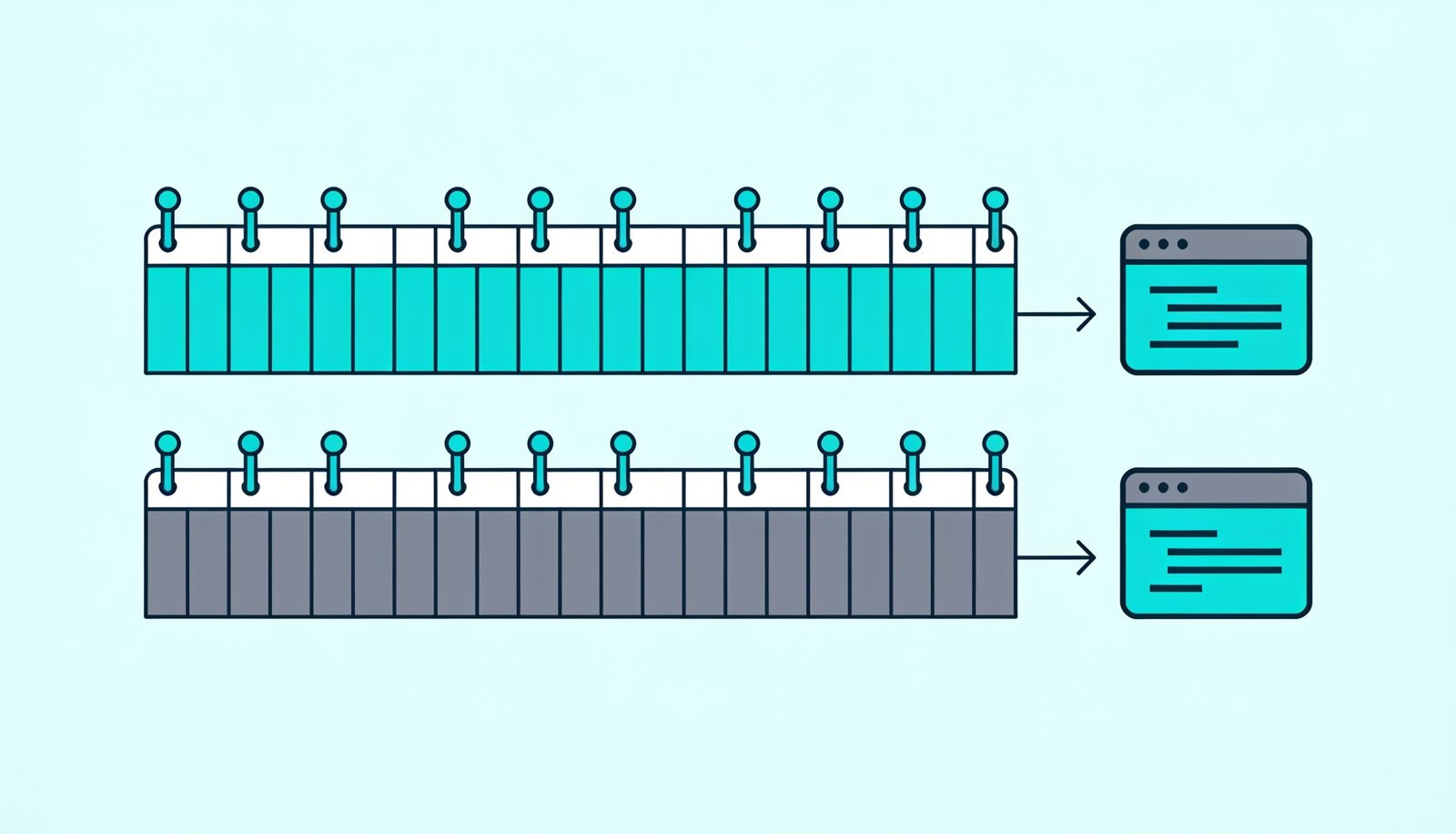
Claude Code stands out in the 2026 numbers: even with only about 18% overall adoption so far, it posts a 91% developer satisfaction score, the highest of any assistant tracked. Cursor has scaled to roughly $2 billion in annualized revenue, and GitHub Copilot remains the volume leader with over 20 million users. None of these tools are niche experiments anymore — they’re default parts of how software gets written in 2026.
The Trust Gap Behind the Adoption Numbers
This isn’t developers rejecting the tools — usage keeps climbing every quarter. It’s a maturing relationship. Early excitement about AI writing entire features unattended has given way to a more cautious pattern: use the assistant to draft, then verify everything before it ships. Security-sensitive code, payment logic, and anything touching customer data is getting extra scrutiny, and rightly so.
For businesses that outsource development, this has a practical implication. A vendor claiming near-instant turnaround thanks to AI coding assistants should still be able to explain their review process in plain language. Speed without review is exactly where the risk in this data is concentrated, and it’s the gap between the 84% adoption figure and the 29% trust figure that businesses should be asking their vendors about.
That third stage is where most mature teams land in 2026, and it’s a reasonable model for a business owner to expect from any development partner, whether the work is in-house or outsourced.
- Ask whether AI-generated code goes through the same review process as human-written code — it should.
- Faster delivery timelines are realistic now, but don’t accept “the AI wrote it” as a substitute for testing.
- For anything handling payments, personal data, or authentication, request a manual security review regardless of how the code was produced.
- Look for teams that treat AI coding assistants as a drafting tool, not a final sign-off.
We covered how Indian business owners are already using everyday AI tools like ChatGPT, Gemini and Copilot in our earlier breakdown of AI adoption patterns — the same trust-but-verify pattern shows up there too, just from the buyer’s side of the table rather than the developer’s. Industry-wide survey data on this trend is tracked in detail by the Stack Overflow Developer Survey, which has followed AI tool adoption and sentiment since 2023.
Do AI coding assistants make software cheaper to build?
Often yes for routine work, since drafting time drops sharply. But review time is rising, so total savings depend heavily on how disciplined the review process is.
Is Claude Code better than GitHub Copilot?
Different tools suit different teams. Claude Code has the highest satisfaction score in 2026 data despite lower adoption so far, while Copilot remains the largest by user count.
Should a business worry about AI-written code in their product?
Not if it’s reviewed properly. The risk isn’t the AI — it’s skipping review because the code arrived quickly.
Looking for help with this in practice? Explore our custom software development services in Ludhiana.
Building software and want a team that reviews every line?
We use AI coding assistants to move faster, and we still test everything before it ships.
Usually replies within a few hours.