Google Ads Just Handed AI More Control: What the July 2026 Update Means for Advertisers
A quiet Terms of Service change now authorizes Google’s AI to generate and format your ads on its own — here’s what actually changed and who’s still on the hook.
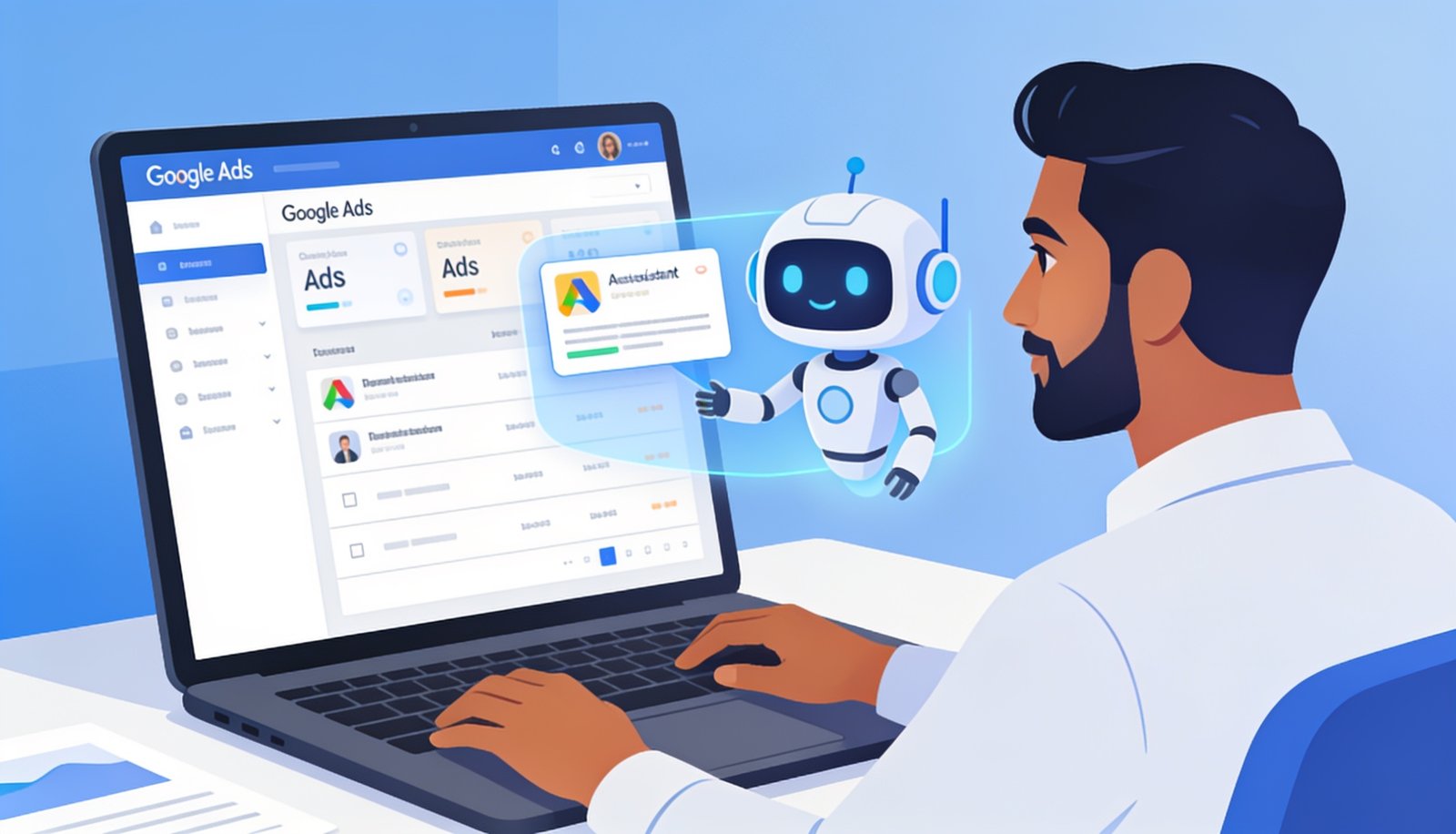
If you run Google Ads for your business, a change that took effect on July 1, 2026 is worth pausing on, even though most advertisers never read a Terms of Service update. Google’s new terms explicitly authorize its automated systems to “format, select, or generate targets, ads, or destinations” on an advertiser’s behalf — a formal acknowledgment of how much of the ad-creation process AI now handles by default.
What’s Actually Changing
This isn’t a single feature launch — it’s the latest step in a broader shift already underway. AI Max, Google’s expanded automation layer for Search campaigns, is moving out of beta with stronger targeting and creative controls, and starting in September, older tools like Dynamic Search Ads will begin automatically upgrading to AI Max, with a full sunset planned for February 2027. Performance Max campaigns are also gaining automatically generated images and expanded video capabilities powered by Google’s latest models.
July 1, 2026 — Terms of Service Update
Google Ads’ updated ToS formally authorizes AI to generate and format ads and targeting on the advertiser’s behalf.
September 2026 — Auto-Upgrade Begins
Dynamic Search Ads campaigns start automatically upgrading to the AI Max system.
February 2027 — Legacy Sunset
Dynamic Search Ads is fully retired in favor of AI Max across accounts.
The Performance Case for AI Max
Google reports that AI Max for Search, when using its full feature suite — search term matching, text customization, and final URL expansion together — delivers an average of 7% more conversions or conversion value at a similar cost-per-acquisition compared to using search term matching alone. That’s a meaningful number, and it’s the reason Google is pushing automation forward rather than leaving it optional indefinitely.
Who’s Still Responsible for What
The ToS update doesn’t remove the advertiser from the picture — it just clarifies what each side is accountable for now that AI does more of the creative and targeting work by default.
- Generating and formatting ad copy and creative variants
- Selecting keyword targets and search terms
- Expanding final URLs automatically
- Auto-upgrading legacy campaign types
- Review and approve AI-generated assets before they run
- Edit or remove content that misrepresents your business
- Monitor campaign performance and budget pacing
- Set clear brand guidelines AI should stay within
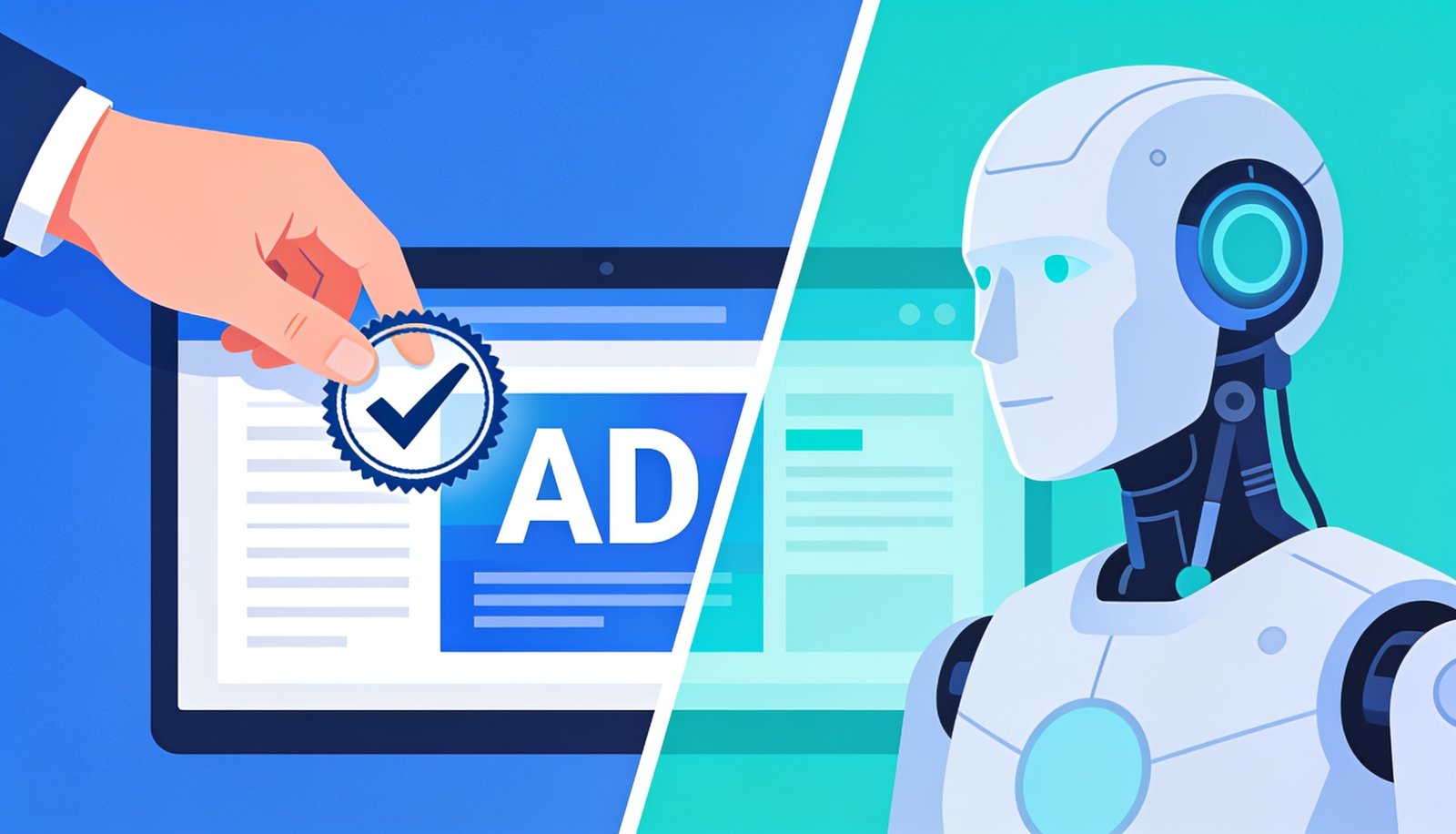
Google’s own language is clear: advertisers remain responsible for reviewing and approving what automation produces, even as more of the process becomes hands-off by default.
What This Means for Ludhiana and Punjab Businesses
For small and mid-sized advertisers, this shift is mostly good news — better-performing automation, less manual campaign-building time, and access to creative capabilities that used to require a design team. The risk is complacency: letting AI-generated ads run unreviewed can lead to messaging that doesn’t match your brand voice or, worse, factual claims your business can’t back up. A quick weekly review of what’s actually running remains worth the ten minutes it takes.
How Digital Darzee Approaches This
We treat AI Max and Performance Max as powerful defaults, not autopilot — every AI-generated asset in a client account still gets a human review pass before it’s allowed to keep running, and we set explicit brand and claims guidelines upfront so automation has clear boundaries to work within.
Why Google Is Pushing This Now
The timing lines up with a broader industry pattern: as AI models get better at understanding intent and generating relevant creative, the cost of manual campaign management increasingly outweighs the benefit for most advertisers. Google isn’t alone here — Meta, Microsoft, and others have been moving in the same direction for their ad platforms over the past two years. What’s different about this update is how explicit the language is about authorization and where accountability sits, which is a signal Google expects scrutiny and wants the rules of engagement written down clearly.
A Practical Checklist Before You Let AI Take the Wheel
Before letting AI Max fully manage a campaign, it’s worth confirming a few basics: your brand guidelines are documented somewhere AI-assisted tools can reference, your negative keyword list is current so automated targeting doesn’t drift into irrelevant searches, your landing pages accurately reflect any claims your ads might make, and someone on your team has calendar time set aside weekly to actually review what’s running rather than assuming it’s fine.
Frequently Asked Questions
Looking for help with this in practice? Explore our digital marketing services in Ludhiana.
Frequently Asked Questions
What changed in Google Ads’ July 2026 update?
Google gave AI more control over campaign management, part of a phased rollout running through a September 2026 auto-upgrade and a February 2027 sunset of manual controls.
Do advertisers lose control over their campaigns?
AI handles more of the day-to-day optimization, but advertisers still set budgets, goals, and audience parameters — human oversight remains necessary, not optional.
Should I opt into the new AI controls early?
Testing early lets you learn the new system before the September 2026 auto-upgrade makes it mandatory, which is generally the safer approach.
Not sure if your Google Ads account is AI Max ready?
We’ll audit your account and set up review guardrails before automation takes over.
Usually replies within a few hours