Retargeting Ads: How to Win Back the Visitors Who Don’t Convert the First Time
Most of your ad budget is spent reaching people who leave without buying. Retargeting is how you get a second chance at them.
Retargeting ads exist to solve one specific, expensive problem: the overwhelming majority of people who visit your website for the first time leave without taking action, and without a plan to reach them again, that traffic is essentially wasted the moment they close the tab.
What Retargeting Ads Actually Do
Retargeting works by placing a small tracking pixel on your website that lets ad platforms show your ads specifically to people who already visited, rather than to a cold audience who’s never heard of you. This is why retargeting ads consistently perform better and cost less per result than cold traffic campaigns — you’re advertising to people who’ve already expressed some level of interest, not starting from zero.
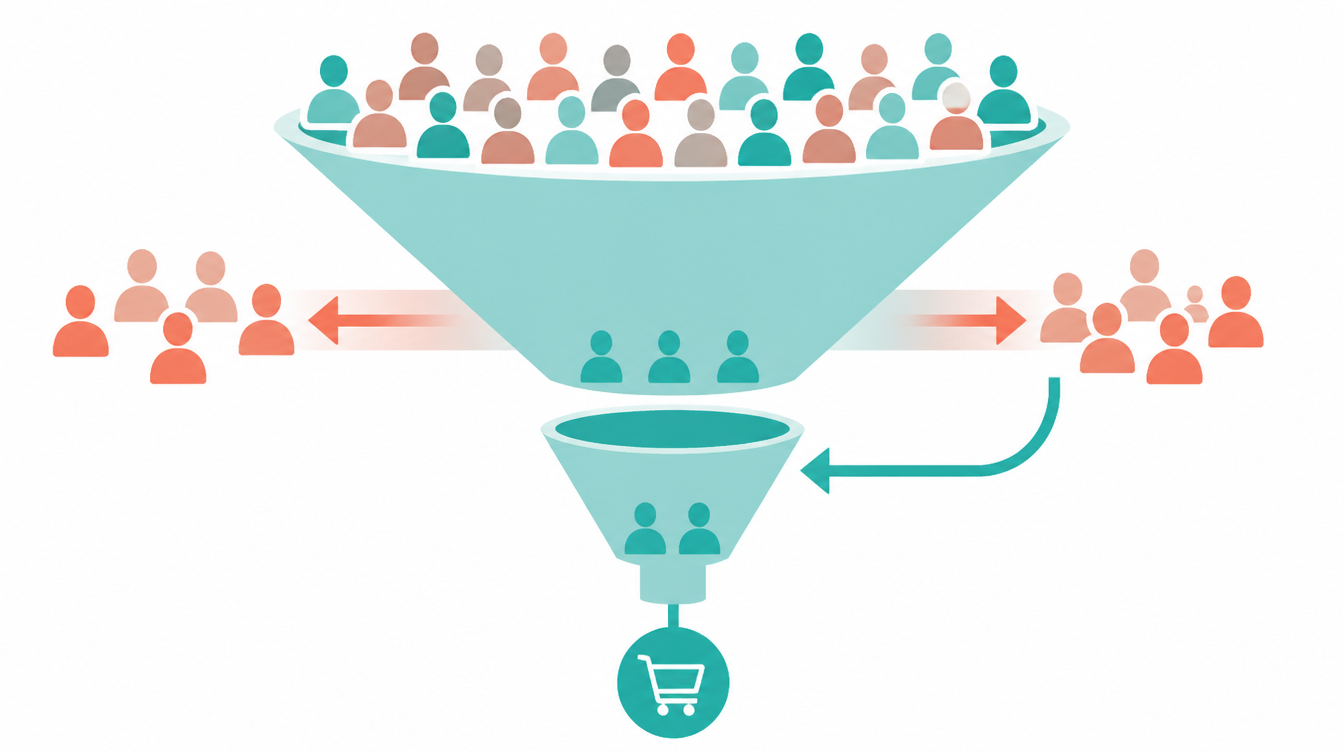
Most visitors drop out of the funnel on their first visit. Retargeting loops a portion of them back in, at a fraction of the cost of acquiring a brand-new visitor.
Three Common Retargeting Channels
Display Retargeting
Banner ads following visitors across other websites they browse after leaving yours.
Social Retargeting
Ads shown in Meta or Instagram feeds to people who visited your site or engaged with your page.
Email Retargeting
Automated follow-up emails triggered by specific actions, like an abandoned cart or an unfinished form.
Why Retargeting Ads Convert Better Than Cold Campaigns
A cold ad has to do two jobs at once: introduce your business and convince someone to act, all in a few seconds of attention. A retargeting ad only has to do the second job, because the introduction already happened during the person’s first visit. This is typically why retargeting campaigns show meaningfully lower cost-per-conversion than cold-audience campaigns on the same platform.
The Frequency Cap Mistake
Showing the same retargeting ad to the same person dozens of times per week doesn’t improve results — it creates ad fatigue and can actively damage brand perception. Most platforms let you set a frequency cap (commonly 3-5 impressions per week per user); skipping this setting is one of the most common and easily avoidable retargeting mistakes.
Setting Up Your First Retargeting Campaign
Start narrow: retarget people who viewed a specific high-intent page (like a pricing or contact page) rather than every single visitor, since this smaller, more qualified audience typically converts at a meaningfully higher rate than a broad retargeting list. Layer in cart-abandonment or form-abandonment triggers once the basic setup is working, and always exclude people who’ve already converted so you’re not paying to advertise to existing customers.
How This Fits Into Your Broader Marketing Plan
Retargeting isn’t a replacement for driving new traffic — it’s what makes that traffic worth more. We covered the broader question of where to invest marketing budget first in our piece on SEO vs paid ads, and retargeting sits downstream of both: however visitors first arrive, retargeting is what recovers value from the ones who don’t convert immediately. For platform-specific setup guidance, Meta’s official Business Help Center documents the exact pixel and audience configuration steps.
Budgeting for Retargeting Alongside New-Customer Campaigns
A reasonable starting split for most small businesses is allocating 70-80% of ad spend to acquiring new visitors and 20-30% to retargeting them, since retargeting audiences are inherently smaller and typically cost less to reach effectively. As a campaign matures and the retargeting audience grows, that ratio often shifts, with a larger share of conversions eventually coming from the retargeting side simply because those visitors are closer to a decision already.
What to Track Beyond Just Conversions
Beyond direct conversions, watch frequency (how often the same person sees your ad), audience size (retargeting pools that are too small burn through quickly and become expensive), and time-to-conversion (how many days typically pass between first visit and eventual purchase). These three numbers together tell you whether a retargeting campaign is healthy or quietly wasting budget on an audience that’s seen the same ad too many times without acting.
How Digital Darzee Approaches This
We set up layered retargeting audiences for clients from day one of any new campaign, segmented by page visited and action taken, with frequency caps built in from the start rather than added after ad fatigue becomes a visible problem.
Frequently Asked Questions
Looking for help with this in practice? Explore our digital marketing services in Ludhiana.
Frequently Asked Questions
What percentage of visitors need retargeting to convert?
Around 97% of first-time visitors don’t convert on their first visit, according to recent benchmark data, which is why retargeting recovers so much otherwise-lost traffic.
What’s the biggest mistake in retargeting campaigns?
Showing the same ad too many times to the same person — frequency caps are essential to avoid annoying potential customers instead of converting them.
Which channels work best for retargeting?
Display, social media, and email retargeting each serve a purpose; most effective campaigns combine at least two of the three.
Losing visitors who never come back?
We’ll set up a retargeting campaign that brings them back without annoying them.
Usually replies within a few hours