


Laravel’s July 2026 Updates: Route Metadata, Postgres Pooling, and More
None of these made big headlines, but each one quietly removes a workaround developers have been living with for years.
The latest round of Laravel framework updates landed with less fanfare than a major version release, but the additions are the kind that experienced Laravel developers have quietly wanted for a while. Here’s what changed and why it’s worth knowing even if you’re not the one writing the code.
Route Metadata: A Small Addition With a Big Practical Upside
Routes can now carry arbitrary metadata through the full routing pipeline using a new ->metadata() method — a dedicated, structured place to tag routes for things like SEO rules, feature flags, or permission levels, fully compatible with route caching. Previously, developers often bolted this kind of data onto routes with workarounds; now there’s an official, supported place for it.
Route::get(‘/pricing’, PricingController::class)
->metadata([‘seo_priority’ => ‘high’, ‘feature_flag’ => ‘new_pricing_2026’]);
Other Laravel Framework Updates Worth Knowing
Postgres Transaction Pooler Support
Framework-level support for PostgreSQL transaction poolers like PgBouncer, making high-concurrency deployments considerably simpler to configure.
New @fonts Blade Directive
A Vite-backed font runtime that automatically handles preload tags, @font-face rules, and CSP nonces without manual setup.
Queue & Testing Improvements
Better queue and HTTP testing helpers, plus new collection and string helper methods for everyday development.
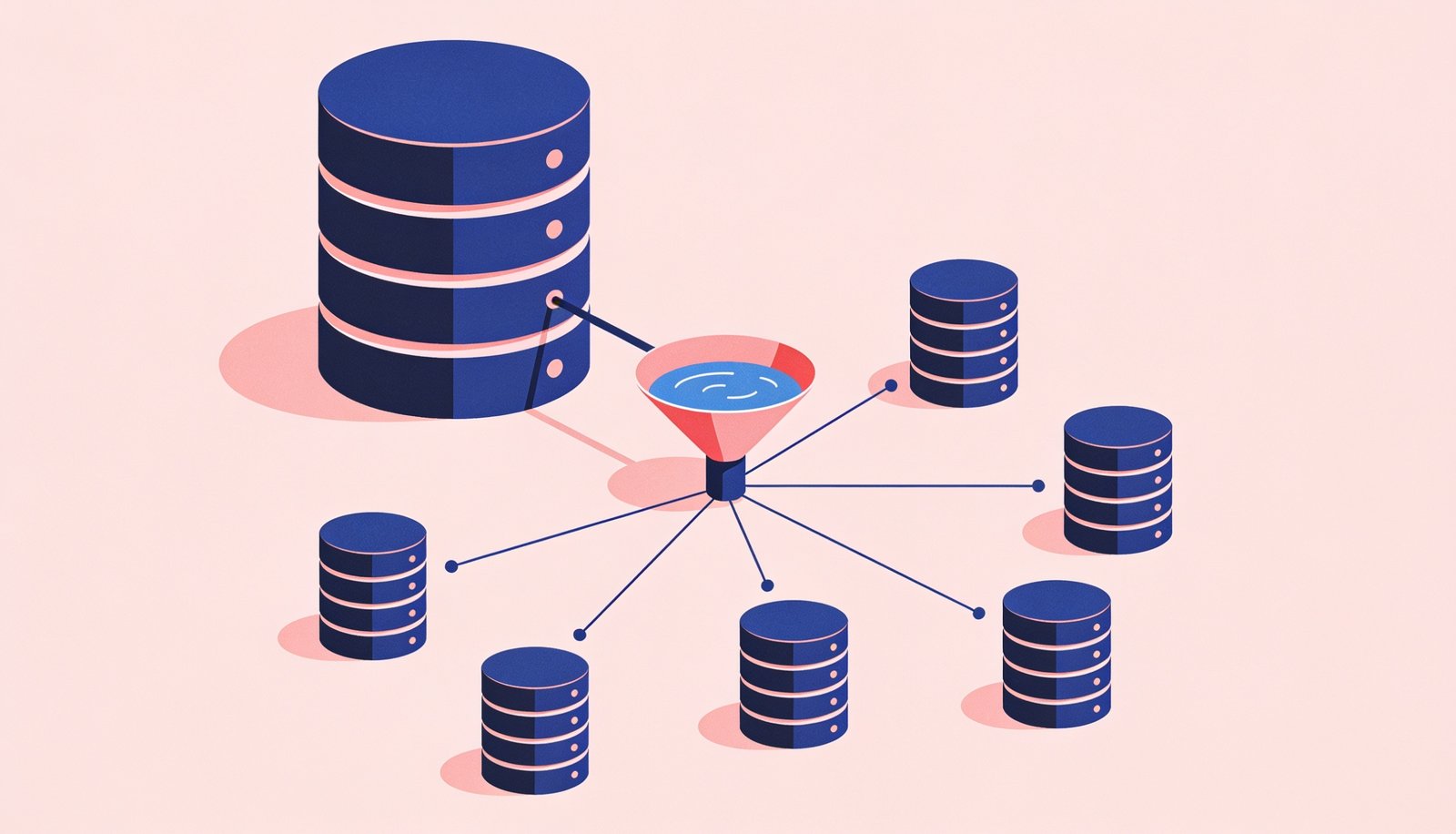
Transaction pooler support means high-traffic Laravel applications can now handle far more concurrent database connections without extra manual configuration.
Why Route Metadata Matters More Than It Sounds
On the surface, tagging a route with metadata sounds like a minor developer-experience tweak, but it has real downstream value: teams managing large applications with dozens of feature flags or SEO rules previously tracked this information in separate config files or databases, disconnected from the routes themselves. Having it live directly in the routing layer reduces the chance of the two falling out of sync — a small reliability improvement that compounds as an application grows.
Should This Change How You Work With Your Developer?
Not directly — these are framework-level improvements your development team will likely adopt naturally as they update dependencies. What’s worth asking is whether your current Laravel application is being kept reasonably current, since skipping several versions of framework updates tends to make eventual upgrades more painful than staying incrementally current. We discussed the broader trade-off between staying current and avoiding unnecessary churn in our piece on Laravel versus custom PHP.
How These Laravel Framework Updates Fit the Bigger Picture
Taken together, this batch continues Laravel’s pattern of prioritizing developer convenience over flashy new paradigms — nothing here requires relearning how the framework works, but each addition removes a specific piece of manual configuration or workaround that developers have quietly tolerated for years. Route metadata replaces ad-hoc config files; pooler support replaces manual connection-management scripts; the fonts directive replaces hand-written preload tags. None of these are individually dramatic, but collectively they reduce the amount of boilerplate a Laravel team has to maintain.
A Note on Staying Current Without Overreacting to Every Release
Not every Laravel release warrants an immediate action item, and treating each one as urgent creates unnecessary churn for a development team that could be spending that time on features that actually move the business forward. A more sustainable approach is reviewing release notes quarterly, adopting genuinely useful additions like these Laravel framework updates during regularly scheduled maintenance windows, and reserving urgent action only for security patches or breaking changes that specifically affect your application.
For businesses running custom software built on Laravel, the practical takeaway is simple: ask your development partner whether routine maintenance windows already account for reviewing releases like this, rather than waiting until an outdated dependency becomes a security risk or a blocker for a new feature you actually need.
How Digital Darzee Approaches This
We track Laravel framework updates as part of routine maintenance for client applications, adopting features like route metadata and pooler support where they genuinely simplify a project rather than upgrading reflexively. The complete technical release notes are available on Laravel’s official release notes page for teams who want the full changelog.
Frequently Asked Questions
Looking for help with this in practice? Explore our custom software development services in Ludhiana.
Frequently Asked Questions
What’s new in Laravel’s July 2026 update?
Route metadata tagging, native Postgres connection pooling, and queue/testing improvements are the headline changes developers should know about.
Do I need to upgrade immediately?
No — these are incremental improvements, not breaking changes, so upgrading can be scheduled during your next regular maintenance window.
Does this update affect app performance?
Postgres connection pooling can meaningfully reduce database connection overhead for high-traffic apps, though the impact depends on your current setup.
Is your Laravel application up to date?
We’ll review your current version and recommend what’s worth upgrading.
Usually replies within a few hours