

RFID Inventory Tracking Goes Mainstream: Stocktakes Are Dropping From Hours to Minutes
A technology that used to be reserved for large retailers has become affordable enough for small Indian businesses in 2026.
RFID inventory tracking is having a genuine breakthrough year in India, not because the technology is new, but because falling hardware costs have finally made it practical for small and mid-sized businesses rather than just large retail chains. If your stock is still counted by hand, this is worth understanding before a competitor gets there first.
What RFID Inventory Tracking Actually Does
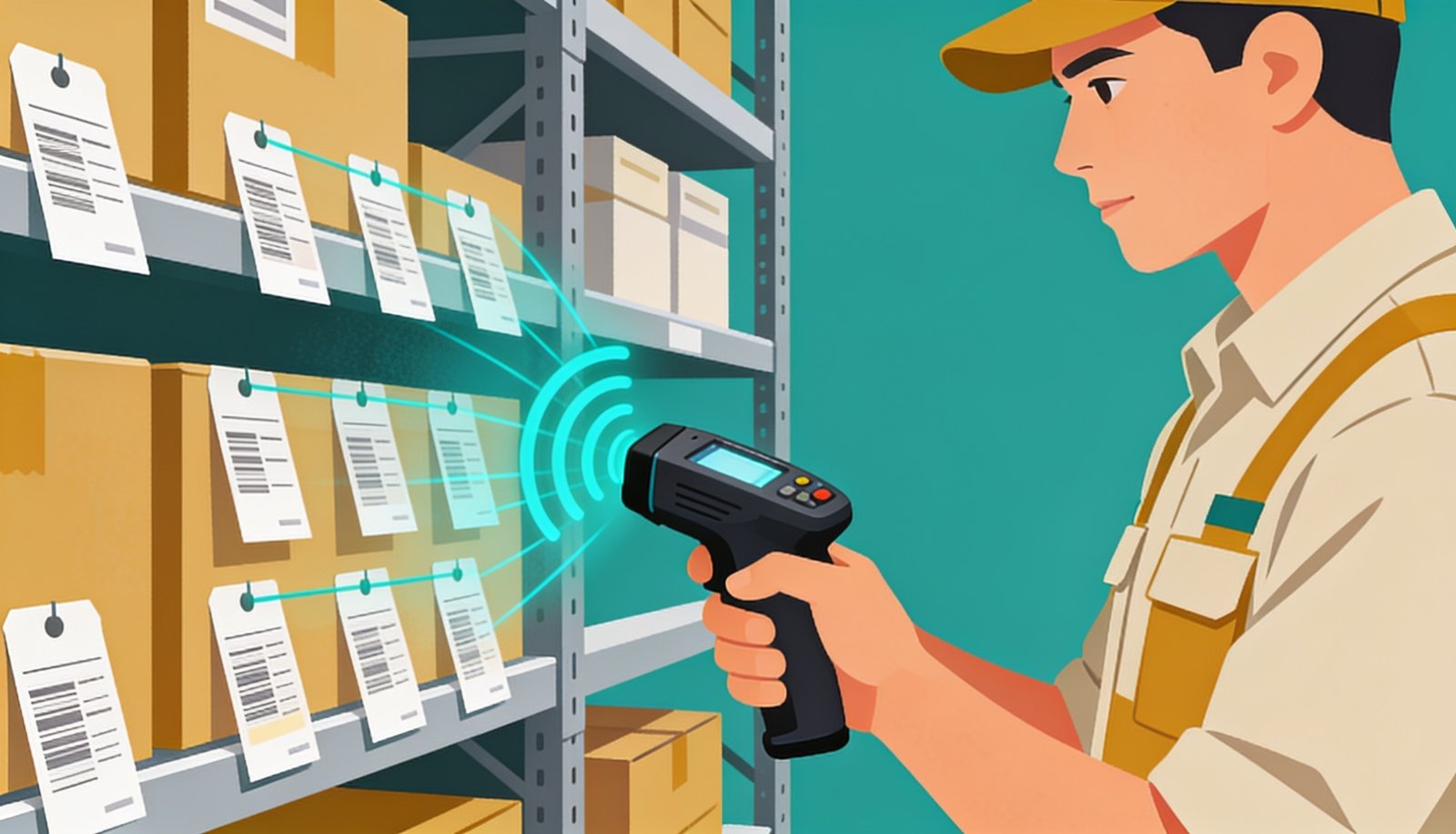
Small electronic tags placed on products let a handheld scanner read many items at once, instantly, instead of requiring a line-of-sight scan per item like traditional barcodes. In a typical Indian apparel store, a staff member with a handheld RFID reader can complete a full stocktake of an entire floor in under 20 minutes — a task that previously took 6 to 8 hours with barcode scanners.

A stocktake that once tied up staff for most of a day can now be finished before the store even opens.
Why This Became Affordable Now
RFID inventory tracking has finally become “regular person” friendly for Indian SMEs. Standard RFID tags cost between ₹6 to ₹15 per piece, with specialized tags for metal assets running ₹30 to ₹60. Handheld readers cost roughly ₹45,000 to ₹90,000, and fixed antenna setups run about ₹80,000 to ₹1,50,000 — a real investment, but one that pays back quickly for businesses currently losing time and accuracy to manual counts.
| Component | Typical Cost |
|---|---|
| Standard RFID tags (per item) | ₹6 – ₹15 |
| Metal-asset RFID tags | ₹30 – ₹60 |
| Handheld RFID reader | ₹45,000 – ₹90,000 |
| Fixed antenna warehouse setup | ₹80,000 – ₹1,50,000 |
Beyond Faster Stocktakes
Speed is the most visible benefit, but RFID inventory tracking also reduces shrinkage by making it far harder for stock to go missing unnoticed, and automates replenishment by flagging low-stock items in real time rather than waiting for someone to physically notice an empty shelf. Combined, these effects tend to matter more to the bottom line over a year than the stocktake time savings alone.
Is This Right for Your Business Yet?
RFID makes the most sense for businesses with meaningful SKU counts, frequent stocktakes, or shrinkage problems that are already costing real money — a small shop with a handful of products may not see enough return to justify the setup cost yet. We covered the earlier decision point in our piece on inventory management software versus Excel, and RFID is generally the next step up once a business has already outgrown spreadsheets and a basic system.
How the Market Is Growing
The India RFID market, valued at roughly $1.8 billion in 2026, is projected to expand to over $7 billion by 2035, growing at a compound annual rate above 16%. That trajectory reflects genuine adoption across retail, warehousing, and manufacturing, not just hype — a signal that the businesses adopting it early are likely to have a meaningful operational edge over those still counting stock by hand years from now.
A Practical Starting Point
Rather than tagging an entire inventory on day one, most businesses see the clearest early wins by starting with their highest-value or highest-shrinkage product category, proving the accuracy and time savings there, and expanding to the rest of the catalog once the initial rollout has settled. This staged approach also keeps the upfront cost manageable, since tagging and reader costs scale with how much of the inventory is covered at any given stage.
For businesses weighing this decision, the honest starting question is the same one that applies to most inventory technology upgrades: does the current cost of manual counting, shrinkage, and stockouts already exceed what a modest RFID rollout would cost over its first year? For a growing number of Indian retailers and warehouses, the answer is increasingly yes.
How Digital Darzee Approaches This
We integrate RFID inventory tracking into custom stock software builds when a client’s scale genuinely justifies it, rather than recommending it as a default upgrade for every retail or warehouse client. For deeper technical detail on how RFID compares to barcode systems, GS1’s RFID standards overview is a solid independent reference.
Frequently Asked Questions
Looking for help with this in practice? Explore our inventory & stock management software for Ludhiana businesses.
Frequently Asked Questions
Is RFID inventory tracking affordable for small businesses?
Tag costs run roughly ₹6-15 each, with fixed antenna setups from ₹80,000-1,50,000, making it realistic for mid-sized operations, not just large warehouses.
How accurate is RFID compared to manual stocktaking?
RFID scanning typically reaches 98-99% inventory accuracy, compared to the much higher error rates common with manual counting.
Does RFID replace barcode scanning entirely?
Not necessarily — many businesses run RFID for bulk/fast scanning and keep barcodes for individual item-level detail, using both together.
Curious if RFID makes sense for your stock?
We’ll assess your inventory volume and shrinkage to see if the numbers work.
Usually replies within a few hours