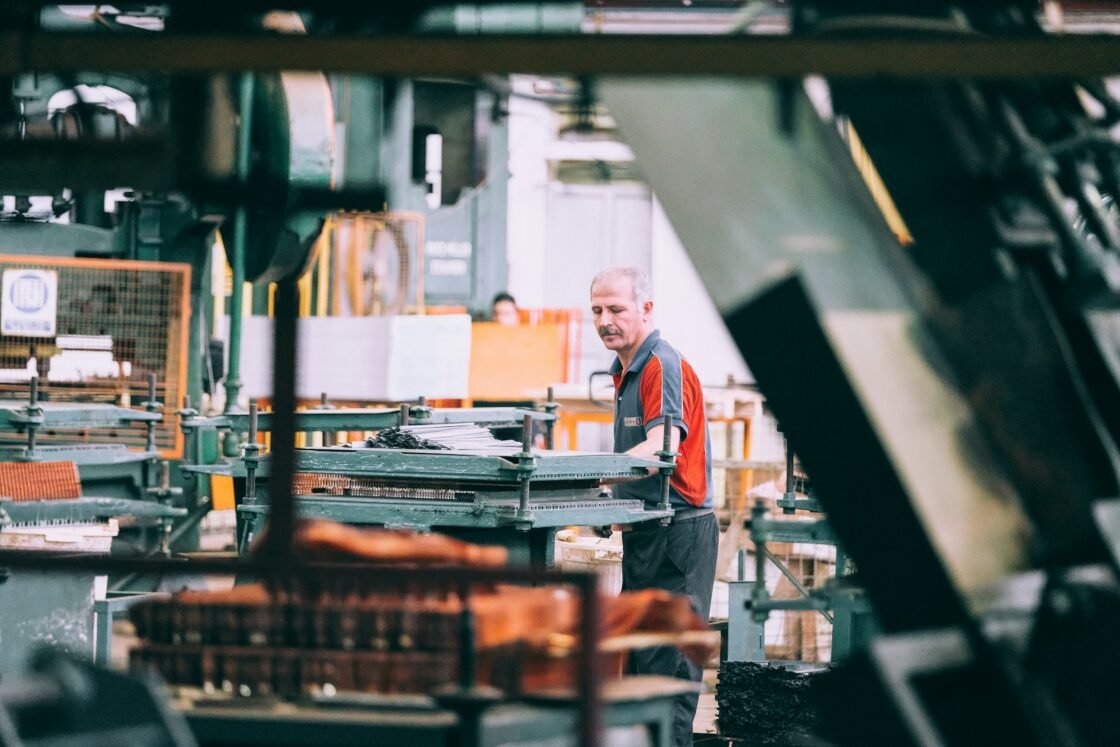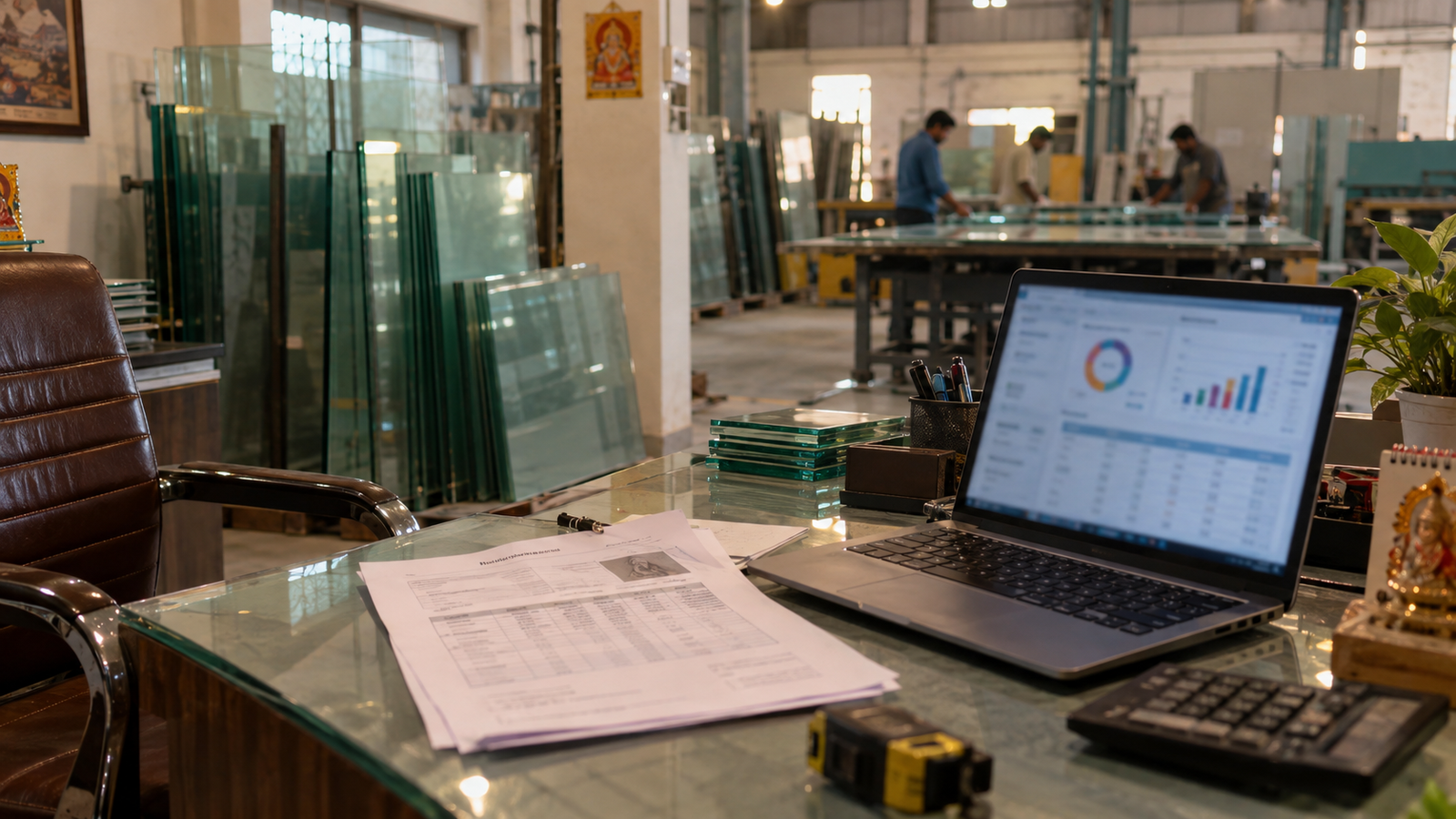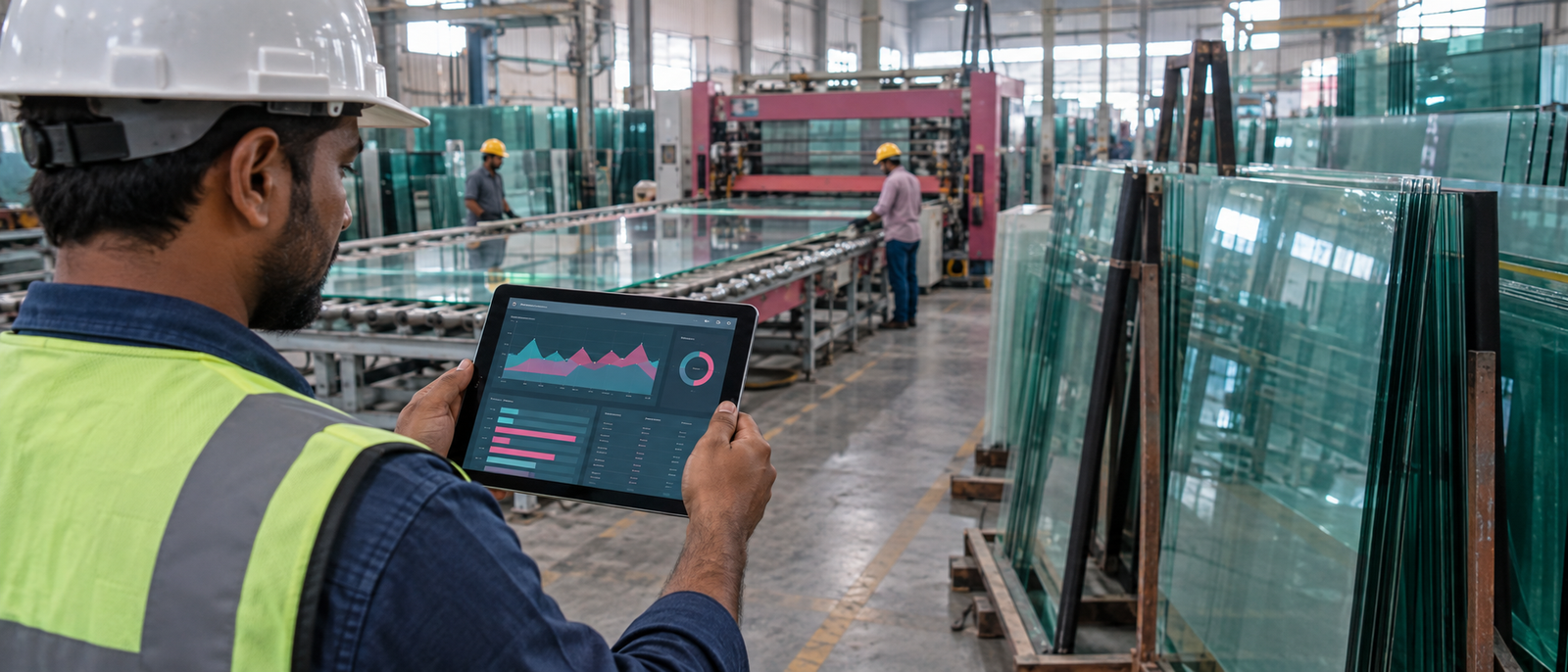
Harpreet Singh runs a cycle parts manufacturing unit in Ludhiana with 40 workers. He tracked production in a notebook, inventory in Excel, and called his accountant every evening to find out if the day was profitable. When a key employee quit, three months of production data disappeared. His business was growing — but his systems were pulling it backwards.
This is the problem Laravel-based custom software solves. And it is more common in Ludhiana’s industrial belt than most owners admit.
How Business Software Evolved — 1990s to Today
The technology your software is built on determines whether your business is protected or exposed. Here is how that changed over three decades.
2000s
Custom PHP — No Rules, No Structure
Every developer wrote code differently. No security defaults. If the original developer left, no one else could understand or fix the system. A single update could break everything.
Problem: Fragile. Developer-dependent. Security holes everywhere.
2010
Packaged Software — Tally, Excel, Access Databases
Fast to deploy but completely siloed. Sales did not talk to inventory. Inventory did not talk to accounts. Everything reconciled manually by a person every day.
Problem: Disconnected. No real-time visibility. No customisation.
Laravel Launched — The Framework That Changed Everything
Taylor Otwell released Laravel — the first PHP framework built for structured, secure business applications. For the first time, developers had a standard blueprint any other developer could pick up and continue.
Result: Standard structure. Built-in security. Developer-independent code.
2022
Laravel Goes Global — Adopted by Enterprises Worldwide
Became the most downloaded PHP framework on the planet. Businesses in India’s manufacturing centres began replacing fragile custom code with properly structured Laravel systems.
Result: Faster builds. Cheaper maintenance. Scalable from day one.
Now
Laravel 11 — Real-Time, AI-Ready, Cloud-Native
The same framework powering small ERPs in 2011 now supports real-time dashboards, AI integration, mobile APIs, and cloud deployment. A system built today grows with your business for a decade without a rebuild.
Result: Mobile-ready. AI-capable. Handles millions of transactions daily.
Harpreet’s Business: Before vs After
When his cycle parts unit moved to a Laravel ERP built by Digital Darzee, here is what changed — task by task.
Why a Framework Matters — In Plain Business Language
Building software without a framework is like constructing a building with no blueprint — every worker does things their own way. When one person leaves, the building becomes impossible to maintain. You are permanently dependent on whoever wrote it originally.
Laravel is the blueprint. The structure is standard. Any trained Laravel developer in India can open the code, understand it, and continue building. Your business is never held hostage by one developer or one company.
Built-In Security
Protection against SQL injection, XSS, CSRF attacks — without extra effort from your team.
Faster Post-Launch Additions
Standard structure means a new feature takes days — not months — to add without breaking what works.
Scales With Your Business
5 users today, 500 next year. No rebuild. The system grows with your headcount and data volume.
Connects Everything
WhatsApp API, GST portal, payment gateways, mobile apps — all connectable without starting over.
Actively Maintained Since 2011
Regular security updates, new features, global community. This framework is not going anywhere.
Any Developer Can Maintain It
Not locked to one vendor. Any qualified Laravel developer can pick up and continue your system.
You do not need to understand Laravel. You need to know your software is built on a foundation that will not collapse under growth — one that any competent developer can maintain, improve, and extend for years to come. That is the difference between software that is an asset and software that becomes a liability.
Three Questions to Ask Any Software Company Before You Sign
- What framework is my system built on, and why? If they cannot explain it clearly to a non-technical person, that is a red flag.
- If your team is unavailable next year, can another developer maintain my system without rebuilding it?
- Will I need to start from scratch if I add 10 more users or three new modules?
Frequently Asked Questions
Is Laravel only for websites, or can it run a full business ERP?
Laravel is built for full applications — not just websites. Every ERP, inventory system, billing platform, and CRM we have delivered runs on it. It handles complex business logic, multi-user access, role-based permissions, and real-time data.
Does building on Laravel cost more than other options?
It usually costs less over time. Development is faster because tested components already exist. Maintenance is cheaper because the code is clean. The real savings come after launch — in every feature addition and update for years ahead.
What happens when my business grows and I need more features?
That is exactly what Laravel is designed for. A system built for 10 users scales to 500 without a rebuild. New modules — a mobile app, customer portal, supplier login — can be added without touching existing working functionality.